
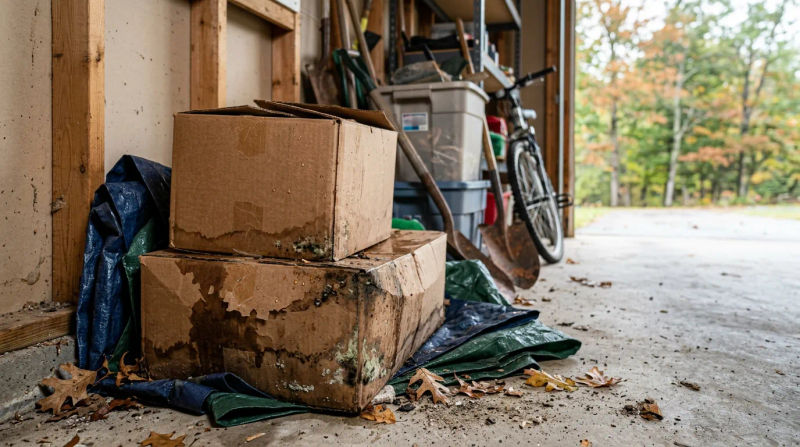
That first crisp September morning always feels like a turning point here in Virginia. You step outside, maybe head to the garage to put the lawnmower away for the season, and suddenly you realize it’s a jungle in there. You have to turn sideways to squeeze past old boxes, you nearly trip over a forgotten bag of summer pool toys, and it dawns on you that your car hasn’t been parked inside since April. As a junk removal specialist, my team and I see this exact scenario play out across Dayton every fall. The garage, once a functional space, has slowly become a storage locker you can barely navigate. With colder weather and the first frost on the horizon, now is the perfect time to assess the situation before minor clutter becomes a major winter problem.
Common Signs and Symptoms
Recognizing that you have a problem is the first step. Over my eight years in this business, I’ve learned that the most obvious garage cleanout signs are often the ones we get used to and start ignoring. Take a moment to honestly look at your space and see if any of these sound familiar.
- Your Car Lives in the Driveway: This is the number one sign. Garages are built to protect our vehicles from the elements - frost, snow, and sun. If yours is so full that a car can't fit, its primary purpose has been lost to clutter.
- Hazardous Pathways: Can you walk a straight line from the entry door to your workbench? Or are you winding your way through a maze of precariously stacked bins and old furniture? These narrow, obstructed paths are trip-and-fall hazards, especially in low light.
- Musty Odors and Dampness: Pay attention to your nose. A persistent musty or mildewy smell indicates a moisture problem. Cardboard boxes, old clothes, and forgotten papers act like sponges, trapping humidity against the floor and walls. This is particularly concerning in the older homes around Dayton. Many of the beautiful pre-1940s properties have detached or less-insulated garages that are more susceptible to dampness, creating a perfect breeding ground for mold when packed with absorbent clutter.
- Evidence of Unwanted Guests: Clutter provides the perfect shelter for pests. When you're evaluating your garage, it's critical to know how to spot pest harborage in stored junk. Look for:
- Small, dark droppings on shelves or along walls (a classic sign of mice).
- Shredded paper, fabric, or insulation, which indicates nesting activity.
- Gnaw marks on cardboard boxes, wood, or even electrical wiring.
- An unusual amount of spider webs, especially dense, dusty ones in corners. Pests love undisturbed areas.
- The "Buy It Again" Problem: You know you own a set of gardening shears or that specific holiday decoration, but the thought of digging through piles to find it is so daunting that you just go to the store and buy a new one. This is a sure sign that your clutter is costing you time and money.
- Avalanche Zones: You have stacks of boxes or items piled so high that you’re afraid to touch the bottom one for fear of the whole thing toppling over. This is a serious safety risk for you and your family.
What Causes This Problem
No one sets out to have an unusable garage. It almost always happens gradually, pile by pile, over months or even years. Understanding the cause can help prevent it from happening again. The most common culprit I see is the “I’ll get to it later” mindset. A broken lawnmower, an old mattress, or boxes from a move get placed in the garage temporarily, but “later” never arrives.
Seasonal churn is another major factor. We toss summer gear in without clearing out the old stuff, then fall equipment gets added, and suddenly there’s no room for the snowblower or winter tires. It's a cycle of accumulation without a matching cycle of purging.
Often, the garage becomes a holding area for sentimental or inherited items. Sorting through a loved one's belongings is emotionally taxing, and the garage feels like a safe, out-of-sight place to store things until you have the emotional energy to deal with them. This is especially true for larger items like furniture that don't fit in the house.
Finally, a simple lack of an organizational system is a huge contributor. Without designated zones for different categories - tools, sporting goods, seasonal storage, and items to be donated - chaos is inevitable. This is amplified in the historic homes in Dayton, whose garages were often built as simple, single-car structures without the built-in shelving and cabinetry we see in modern homes. Creating a system is essential.
When to Call a Professional
Once you’ve identified the problem, the next question is whether to tackle it yourself or bring in help. Deciding when a garage needs a full cleanout by a professional often comes down to a few key factors: time, safety, and scale.
A DIY cleanout can be a great, rewarding project if you have the time to dedicate - usually a full weekend - and the physical ability to do the lifting and hauling. You’ll also need a plan for sorting items and a way to transport everything you’re getting rid of.
However, it's time to call in experienced professionals when one or more of the following are true:
- You Feel Overwhelmed: If you walk into the garage and the sheer volume of stuff is paralyzing, that's a sign you need support. Professionals can provide a fresh perspective and an efficient process to get it done without the stress.
- There Are Safety Concerns: This includes extremely heavy items (old freezers, cast iron equipment), dangerously stacked piles, or the presence of significant mold or pest infestations. You shouldn't risk injury or exposure to biohazards.
- You Lack the Time or Equipment: Between work, family, and life, finding 16-20 hours for a massive cleanout is impossible for many people. Professionals have the team, the tools, and the large-capacity trucks to do the job in a fraction of the time.
- Hazardous Waste Is Involved: If your cleanout involves old cans of paint, pesticides, solvents, old tires, or e-waste like TVs and computers, you need a pro. These items require special disposal according to local regulations, and a professional service is equipped to handle them responsibly.
To help you decide, here is a quick Dayton VA garage clutter checklist:
- Can you see at least half of your garage floor? If the answer is no, you may need a full cleanout.
- Are there items that are too heavy for you to lift and move safely? If yes, call for help.
- Have you found clear evidence of a pest infestation, like nests or widespread droppings? If yes, it's safer for a professional to handle the removal.
- Does the thought of starting the project alone fill you with anxiety? If yes, letting a team take over is a perfectly valid choice for your well-being.
Conclusion
The shift in seasons from summer to fall is nature's deadline, reminding us to prepare for the coming winter. Don't let another season go by with your car left out in the cold. The warning signs - lost parking space, musty smells, pest activity, and dangerous clutter - are your cue to take action. Tackling your garage clutter now not only reclaims a valuable part of your home but also prevents moisture damage, pest infestations, and safety hazards from worsening over the winter.
If you notice any of these signs, contact a local Junk Removal professional for an inspection.